Why Do Blue Ash Roofs Fail Early? The Role of Ohio Humidity and Heavy Snow
Why Do Blue Ash Roofs Fail Early? The Role of Ohio Humidity and Heavy Snow
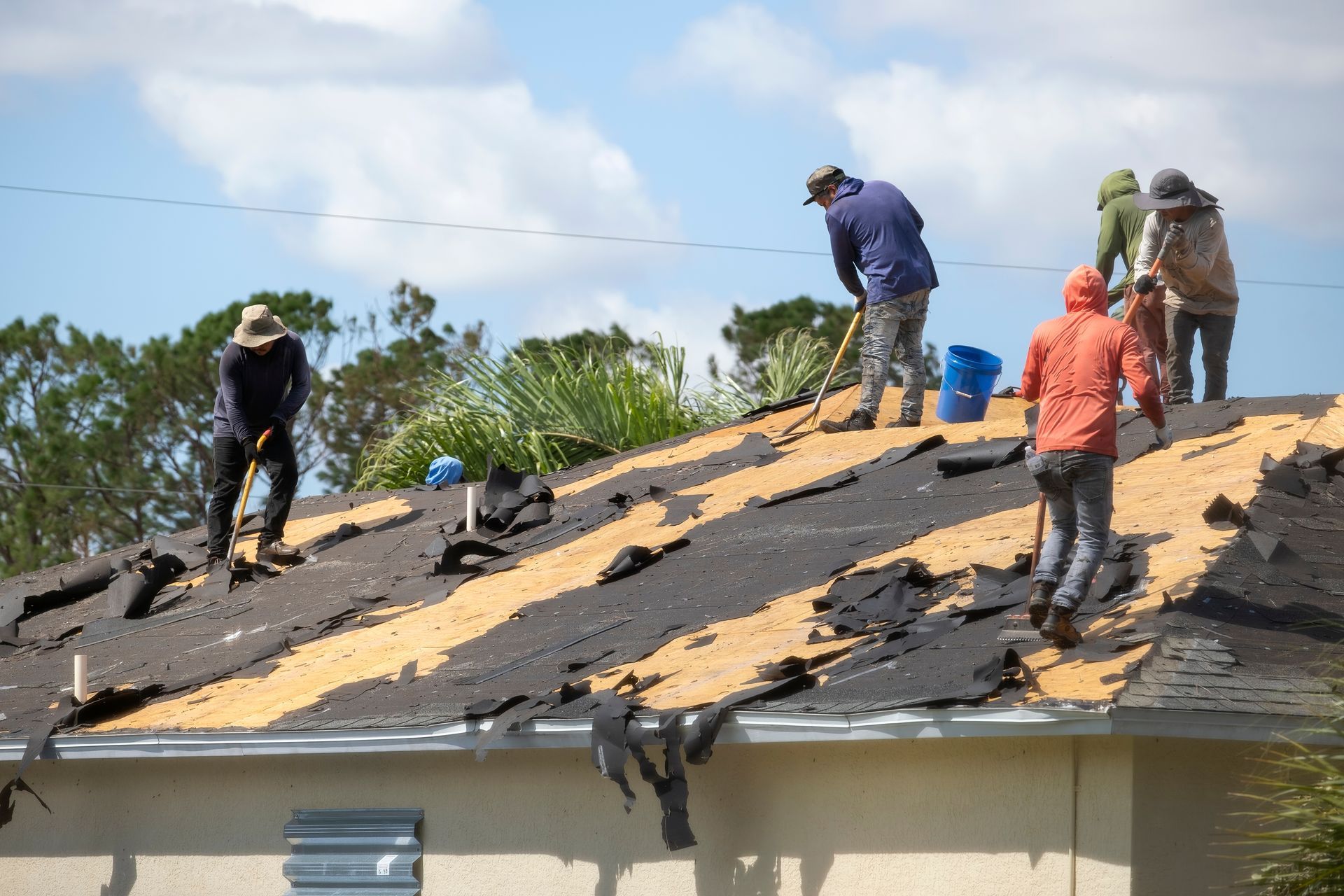
For homeowners in Blue Ash, Ohio, property maintenance is a point of pride. From the meticulously kept mid-century moderns near Hunt Road to the newer luxury estates bordering the Kenwood area, a well-maintained exterior is part of the local culture. However, beneath the aesthetic appeal of a Hamilton County home lies a constant battle against one of the most volatile climates in the Midwest. While a high-quality asphalt shingle roof is theoretically designed to last 25 to 30 years, many Blue Ash residents find themselves facing a full replacement much sooner, often between the 15 and 18-year mark.
This premature failure is not usually due to poor manufacturing; rather, it is the result of a "triple threat" unique to the Ohio Valley: extreme humidity, heavy cyclical snowfall, and rapid thermal expansion. Understanding these mechanics is the first step in protecting your home and determining when it is time to transition from simple repairs to a professional Roof Replacement in Blue Ash, OH.
The Humidity Factor: Ohio’s Silent Erosion
In Blue Ash, the summers are famously heavy. The moisture levels rising off the Ohio River and the surrounding valley create a humid subtropical environment that is particularly brutal on roofing materials. In Southwestern Ohio, the average humidity in July frequently sits above 70 percent, creating a greenhouse effect on the surface of your shingles.
- Gloeocapsa Magma (The Black Streaks): Have you noticed dark, vertical streaks on the North-facing slopes of roofs in your neighborhood? Many homeowners mistake this for dirt or soot. In reality, it is a hardy form of cyanobacteria called Gloeocapsa Magma. This algae thrives in the high-humidity environment of Blue Ash, particularly on slopes that remain shaded. Because it feeds on the limestone filler used in modern asphalt shingles, it literally eats your roof’s primary defense system.
- Trapped Attic Moisture: High outdoor humidity often leads to moisture buildup inside the attic. If a Blue Ash home lacks a perfectly balanced ventilation system, that humid air becomes trapped. This leads to "decking delamination," where the layers of plywood or OSB in your roof structure begin to peel apart.
The Winter Weight: Heavy Snow and Ice Dams
While humidity is the silent summer killer, winter brings a much more aggressive threat to Blue Ash roofs: heavy, wet snow followed by the dreaded freeze-thaw cycle. Unlike the dry, powdery snow found in the Great Plains, Ohio snow is dense and holds a high volume of water.
Note: Ohio snow is notoriously heavy. A single square foot of wet snow can weigh up to 20 pounds. For a large suburban home in Blue Ash, a significant storm can add thousands of pounds of unplanned stress to the rafters and trusses.
The mechanics of ice damming are especially prevalent here. Blue Ash often experiences Goldilocks winters, not quite cold enough for dry, light snow, but cold enough to create massive ice buildup.
Thermal Shock: The 40-Degree Swing
One of the most difficult challenges for Cincinnati-area roofing is the speed at which the temperature changes. It is not uncommon for a Blue Ash morning to start at 30°F and reach 70°F by mid-afternoon. This leads to a phenomenon known as Thermal Shock. Roofing materials, the shingles, the metal flashing, and the wooden deck, expand and contract at different rates as they heat and cool. Over time, this constant stretching causes the sealant strips between shingles to fail.
Why Patching is a Short-Term Risk
When faced with a leak, many homeowners instinctively look for a quick repair. However, in the context of Blue Ash’s climate, a patch is often a temporary fix for a systemic problem.
- The Fragility of Aged Shingles: As shingles age in Ohio's humidity, they lose their essential oils and flexibility. When a contractor attempts to perform a localized repair on a 15-year-old roof, they must lift the surrounding shingles to weave in the new ones. In colder weather, these old shingles are often so brittle that they crack during the repair process.
- HOA Compliance: Because of the heavy UV exposure in Hamilton County, shingles fade at an accelerated rate. A patch using the same brand and color of shingle will rarely match the existing roof. In Blue Ash neighborhoods with strict Homeowners Association standards, a patchy roof can lead to fines.
The Anatomy of a Proper Ohio Roof Replacement
If you determine that your home is ready for a full replacement, it is vital to work with the Best Roofing Contractors in Hamilton County to ensure the new system is engineered specifically for the Midwest.
- Synthetic Underlayment: Traditional felt paper is prone to tearing. A high-tech synthetic underlayment acts as a secondary waterproof skin for your home.
- Ice and Water Shield: Given the frequency of ice dams, a specialized rubberized membrane must be installed along the eaves and in the valleys.
- Enhanced Ventilation: Your replacement must include a calculated ventilation plan to eliminate the stagnant humidity that leads to mold growth.
Navigating the Financials: Insurance vs. Out-of-Pocket
A full roof replacement is a significant investment in 2026. However, many Blue Ash residents are surprised to find that a large portion of this cost may be covered by their insurance. Blue Ash is frequently in the path of storms that bring high winds and localized hail. If your roof has missing shingles or bruising from hail, your insurance carrier may be obligated to pay for a full replacement.
Conclusion: Don't Wait for the Drip In the Ohio Valley, your roof does not have the luxury of aging gracefully. If your roof is over 15 years old, the time for an evaluation is now. Protecting your family and your investment starts with a proactive approach.
Request a Free Estimate in Blue Ash today to schedule your comprehensive roof health inspection.
Blue Ash Homeowner FAQ
My roof isn't leaking, but I see black streaks. Do I need a replacement?
Not necessarily, but it is a sign of biological growth eating your shingles. An inspection can determine if the shingles are still structurally sound.
How long does a typical roof replacement take?
Most residential replacements in Blue Ash can be completed in one to two days, assuming the weather stays clear.
Does insurance cover old roofs?
Insurance covers damage, not age. However, older roofs are more susceptible to wind and hail damage. If a storm occurs, the age of the roof does not necessarily disqualify you from a claim.