How to Vet a Roofing Contractor for Anderson Township’s Unique Architectural Needs
How to Vet a Roofing Contractor for Anderson Township’s Unique Architectural Needs
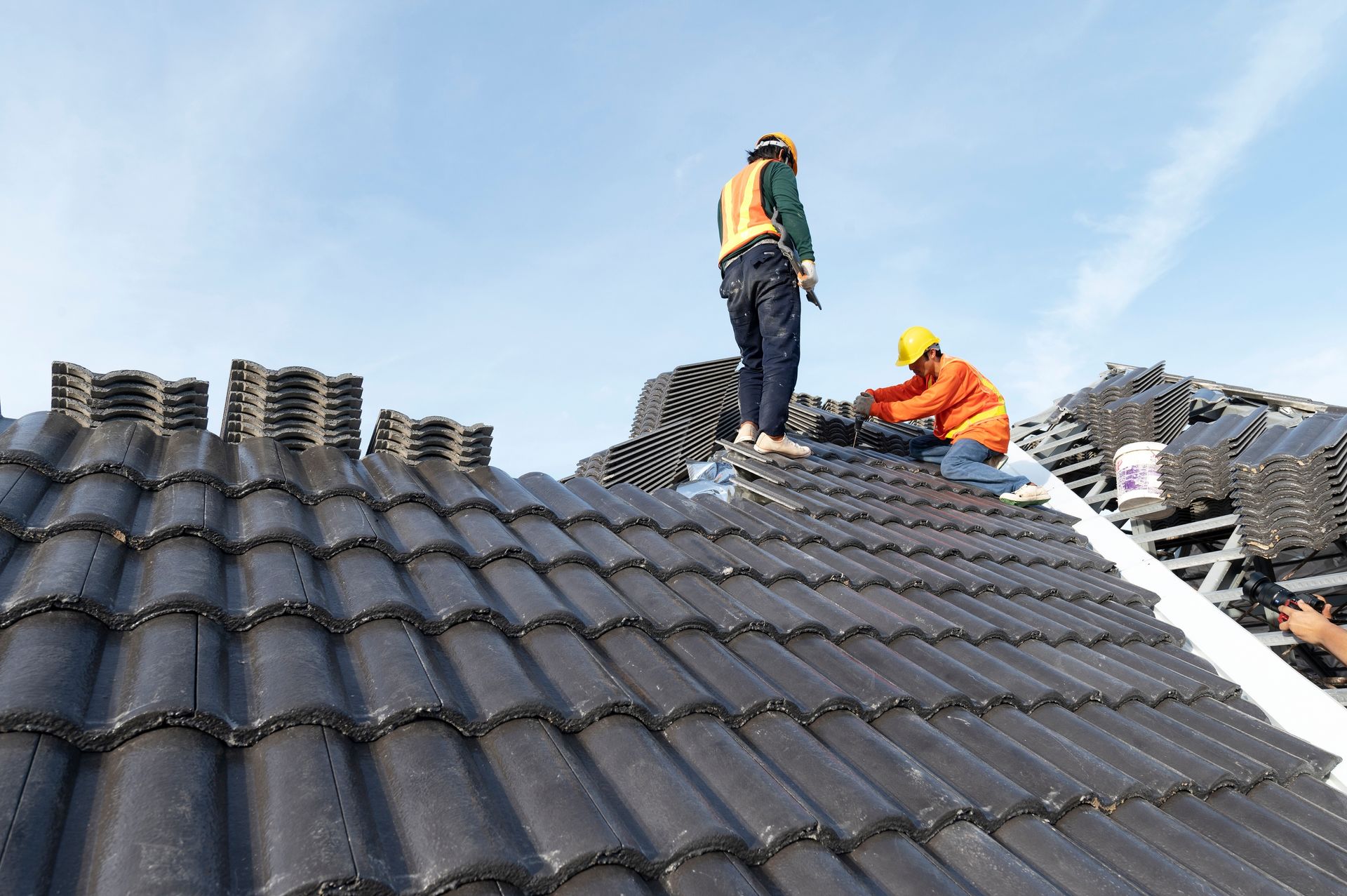
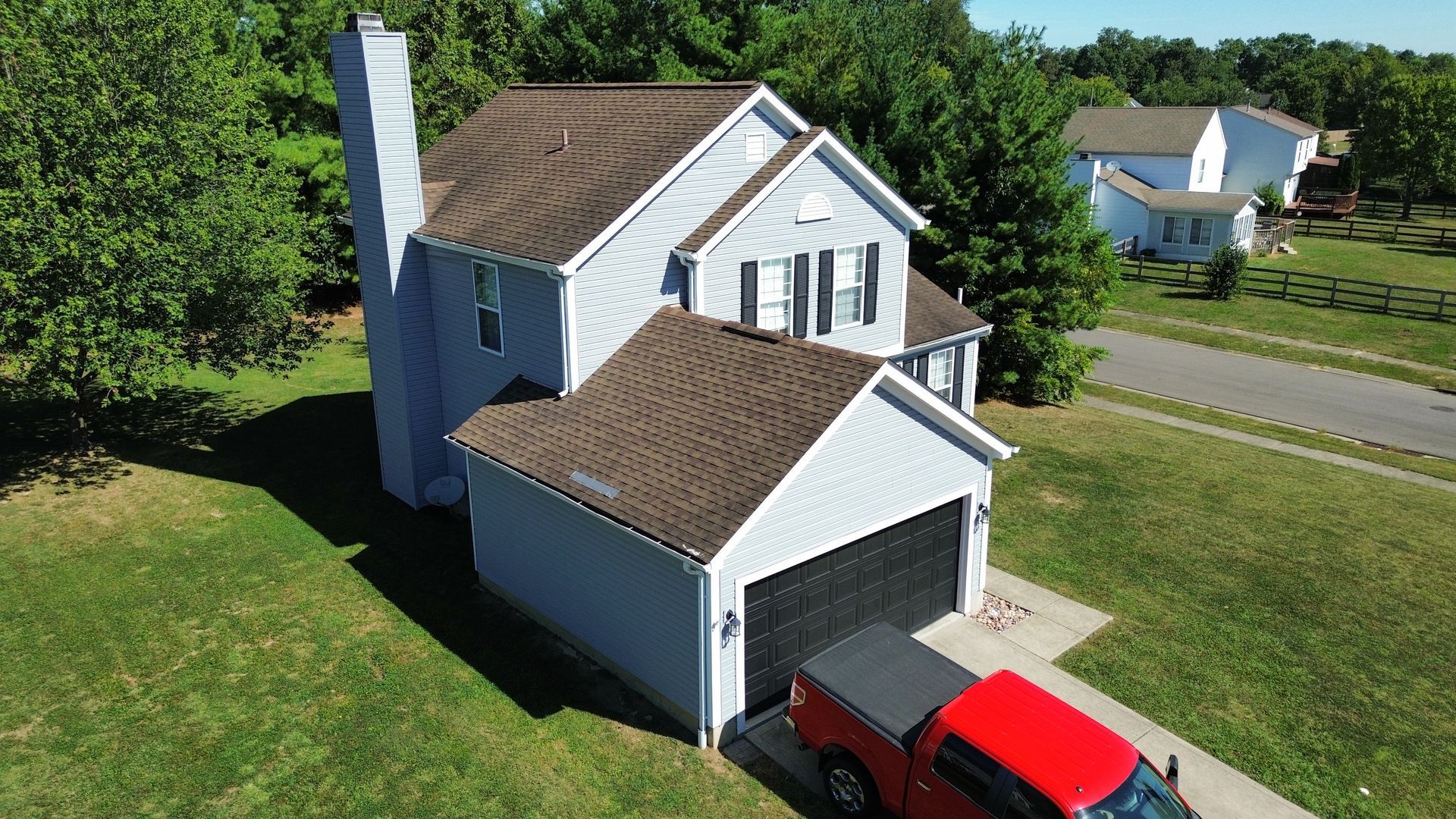
Choosing a partner to handle your home’s exterior is a decision that carries weight for decades. In Anderson Township, where many of our neighborhoods feature mature trees and traditional home styles, the roof is more than just a functional lid; it is a critical structural component that must breathe and flex with the Ohio River Valley’s volatile weather. When the time comes to address aging shingles or storm damage, the challenge isn't just finding someone who can swing a hammer: it is finding a professional who understands local building codes, attic ventilation, and the specific moisture challenges of our region.
Vetting a roofing contractor involves looking past the initial estimate. You need a team that acts as a consultant, helping you navigate the complexities of structural integrity, insurance requirements, and long-term material performance. This guide is designed to help you ask the right questions, identify professional standards, and ensure your property remains protected by a system that is built to last.
Understanding the Local Standards for Professional Roofing
In our region, a roof is subjected to a relentless cycle of heavy spring rains, humid summer afternoons, and winter ice dams. A qualified contractor knows that a "shingle-only" approach is a recipe for premature failure: to meet the demands of the local climate, a professional installation must be treated as a complete system.
The Importance of a Full Tear-Off
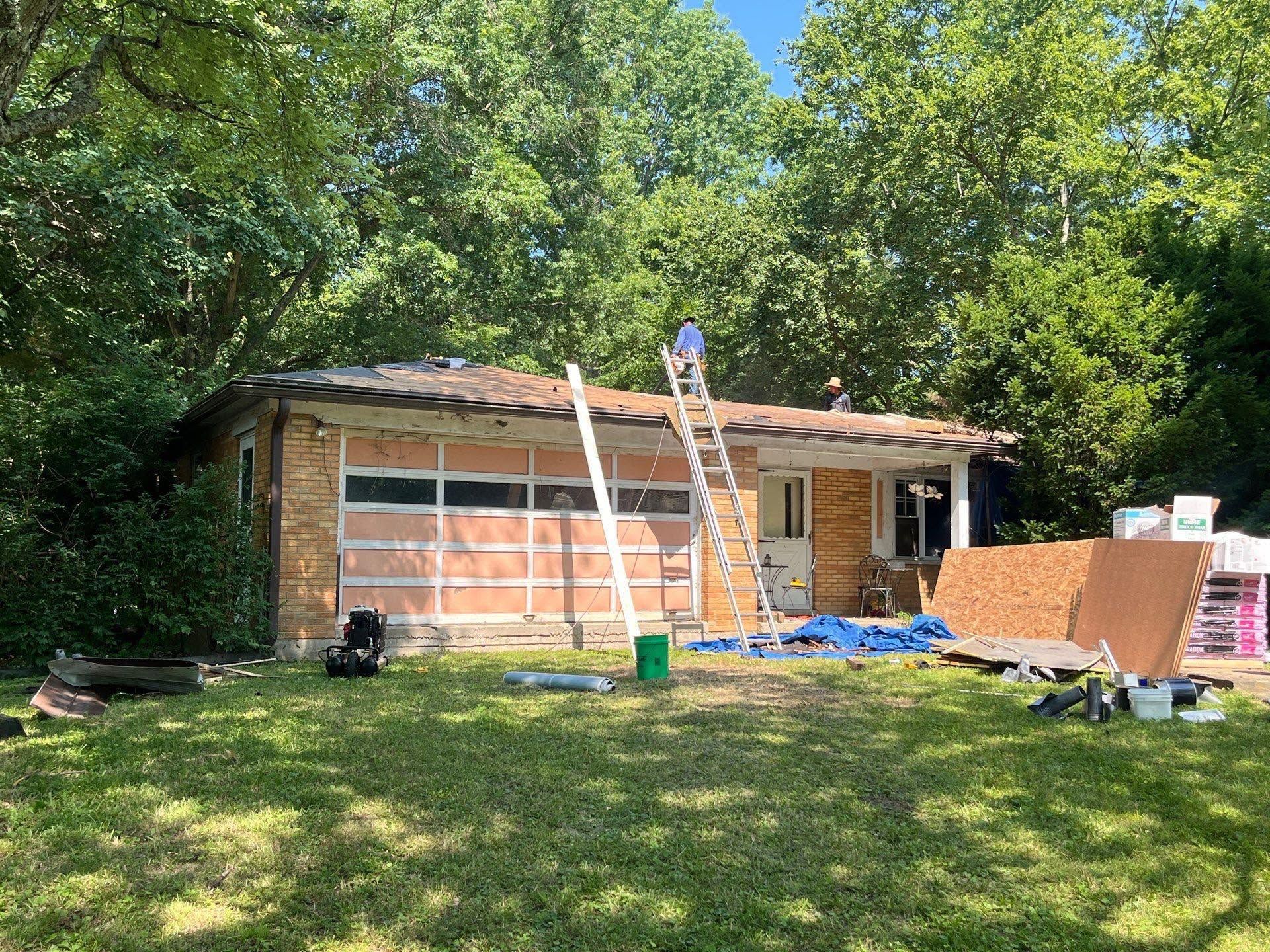
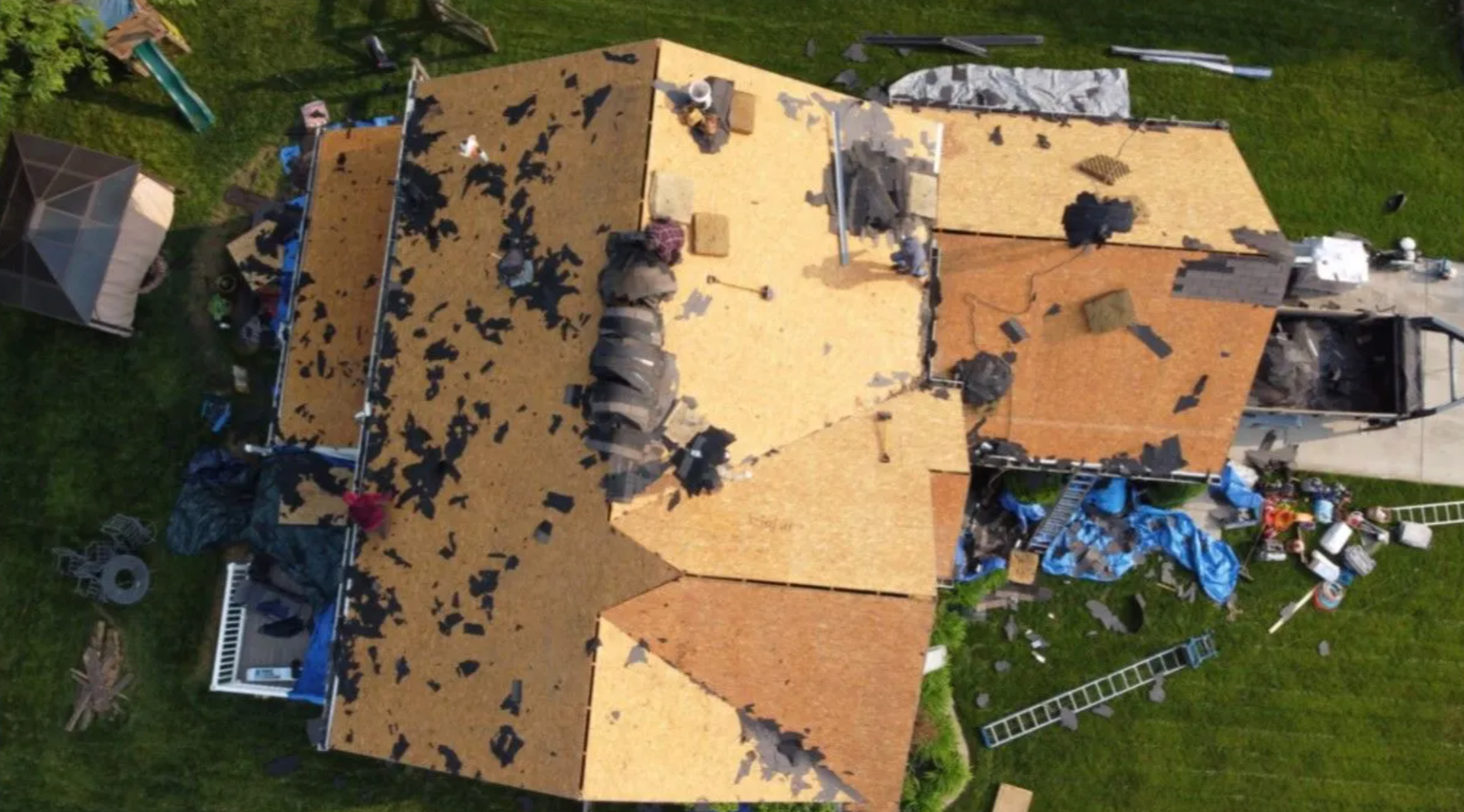
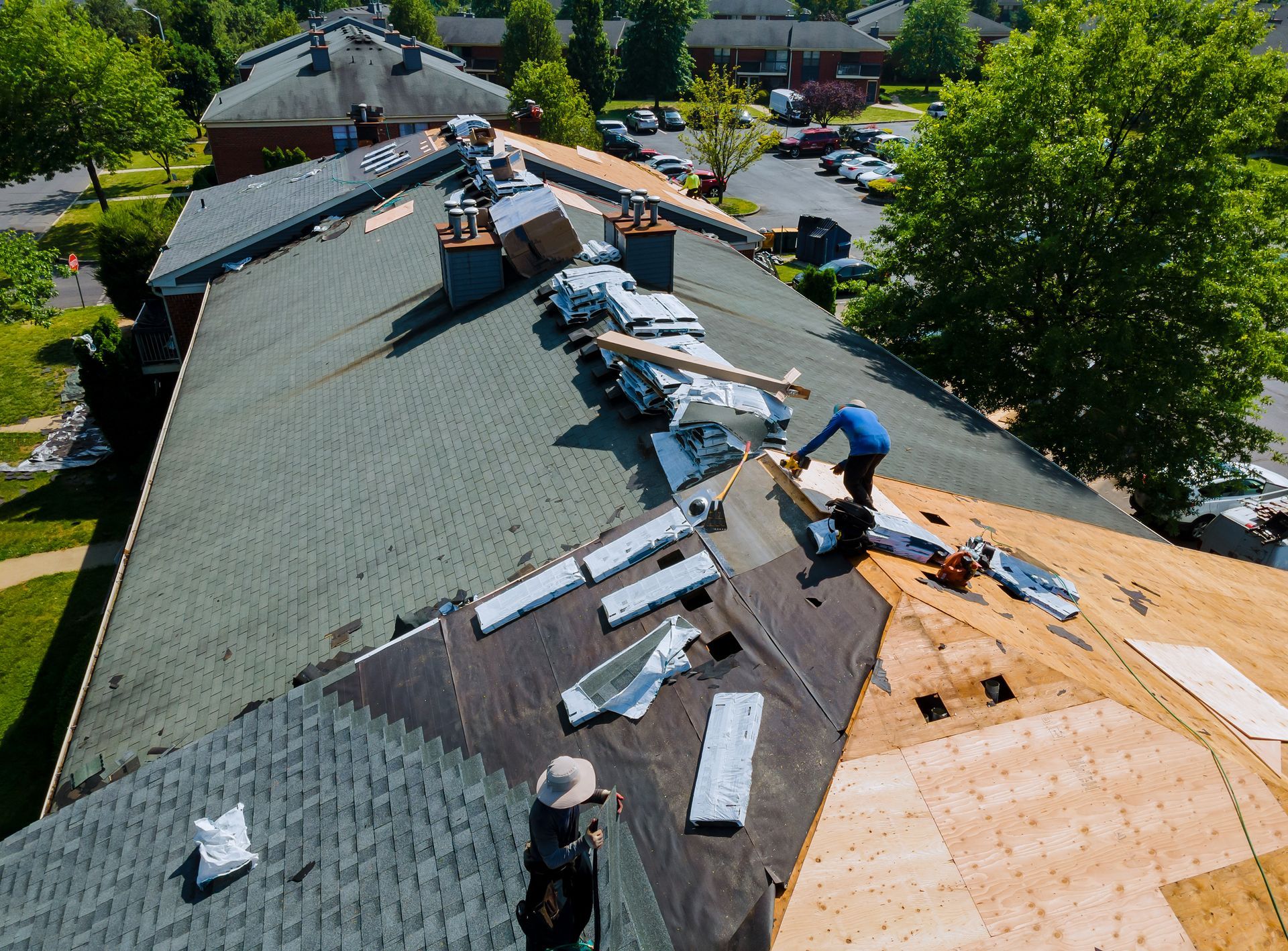
One of the first indicators of a professional contractor is their stance on "re-roofing" or layering new shingles over old ones. While some may offer this as a cost-saving measure, a reputable local expert will almost always insist on a complete tear-off. This is the only way to inspect the underlying wooden decking for rot or mold that has developed over years of Ohio’s humid seasons. In Anderson Township, where many homes have original wood from the 80s or 90s, replacing soft or damaged decking is non-negotiable for a watertight result.
Addressing the Ventilation Challenge
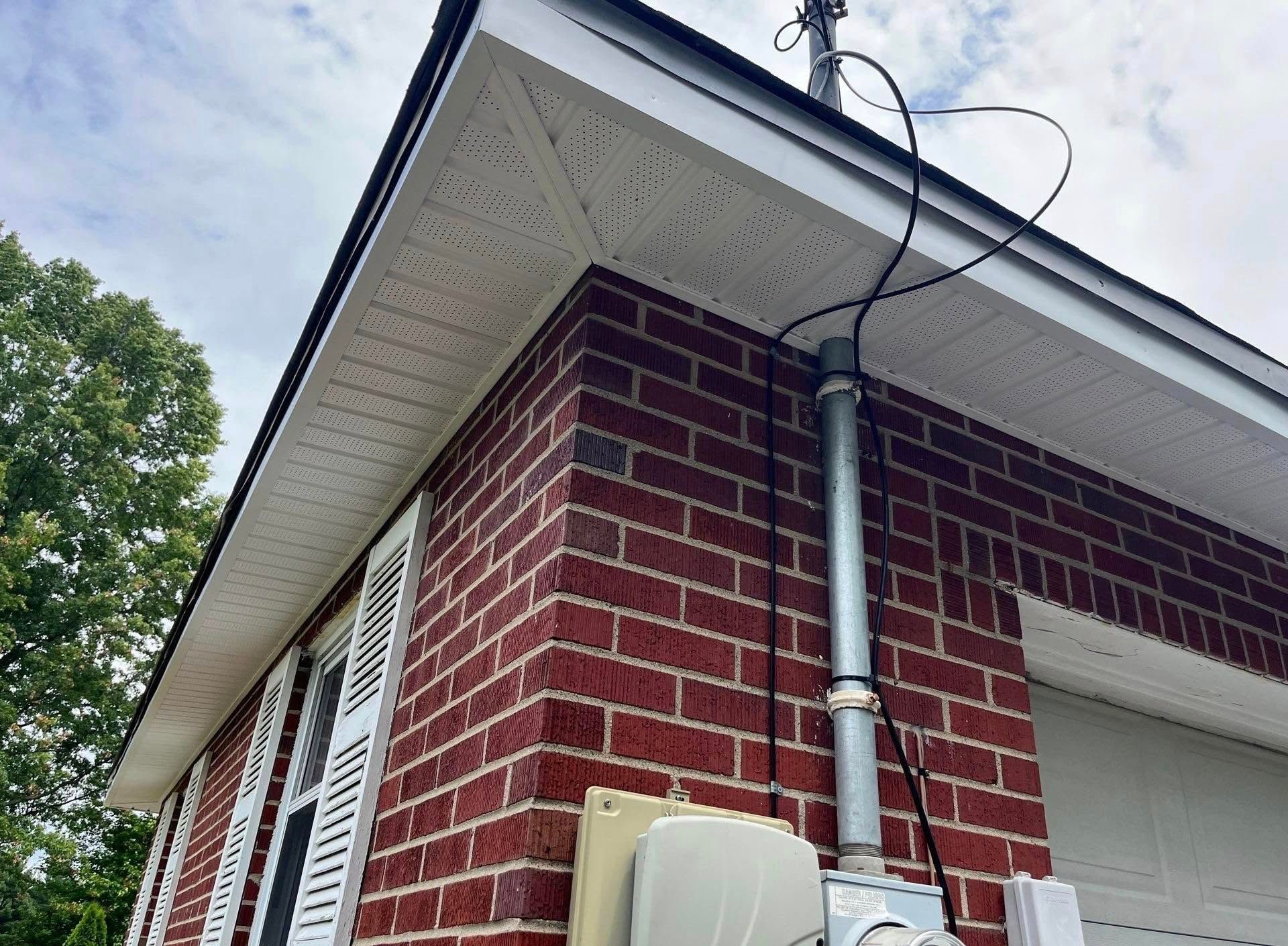
Because our summers are so humid, attic ventilation is a primary factor in roof longevity. A contractor who doesn't discuss intake and exhaust air is doing you a disservice. Without a balanced airflow, heat builds up in the attic, "cooking" the shingles from the underside and causing them to blister and curl prematurely. A professional will calculate the exact ventilation needs of your specific roof pitch to ensure your warranty remains valid and your energy bills stay manageable.
Navigating the Business Side of Exterior Contracting
Beyond the technical skills, the professional standards of the company you hire are what protect you from liability and financial loss. The exterior industry is unfortunately prone to "storm chasers": crews that follow severe weather into the Cincinnati area, complete jobs quickly, and disappear before the first leak occurs.
- Insurance and Liability Protection: Every legitimate roofing contractor must carry comprehensive General Liability and Workers' Compensation insurance. This isn't just a formality; it is your primary protection as a homeowner. If an uninsured worker is injured on your property, or if a sudden rainstorm causes interior damage during the installation, you could be held liable.
- Workmanship vs. Manufacturer Warranties: It is crucial to understand the difference between the two types of protection offered. A manufacturer warranty covers defects in the shingles themselves, but it rarely covers the labor to fix a mistake. A high-quality contractor will provide a separate, written workmanship warranty. This is their personal guarantee that the flashing, underlayment, and shingles were installed according to the highest industry standards.
What to Expect During a Professional Evaluation
A professional contractor should provide a detailed, transparent assessment of your property. This process goes far beyond a quick look from the ground. They should be looking for "telltale" signs of failure that the average homeowner might miss, such as <u>[Signs of Winter Roof Damage]</u> that may have gone unnoticed.
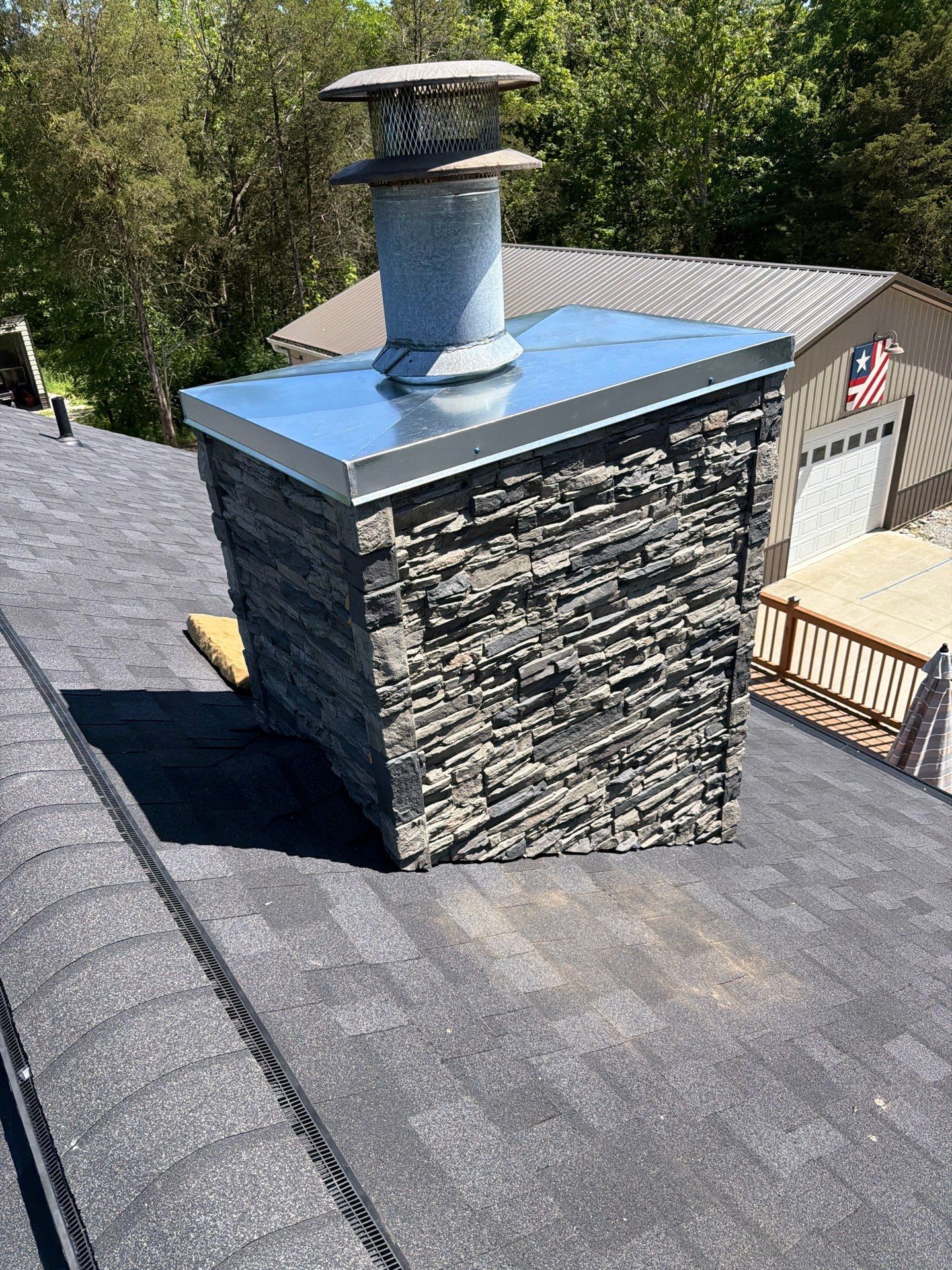
During a thorough inspection, the contractor will check the integrity of your chimney flashing, the condition of the rubber boots around your plumbing vents, and the amount of granule loss in your gutters. If your home has recently been through a hail event, they will look for the subtle "bruising" on the shingles that indicates the fiberglass mat has been fractured. This level of detail ensures that the estimate you receive is accurate and that there are no hidden surprises once the project begins.
Secure Your Home with the Right Professional Team
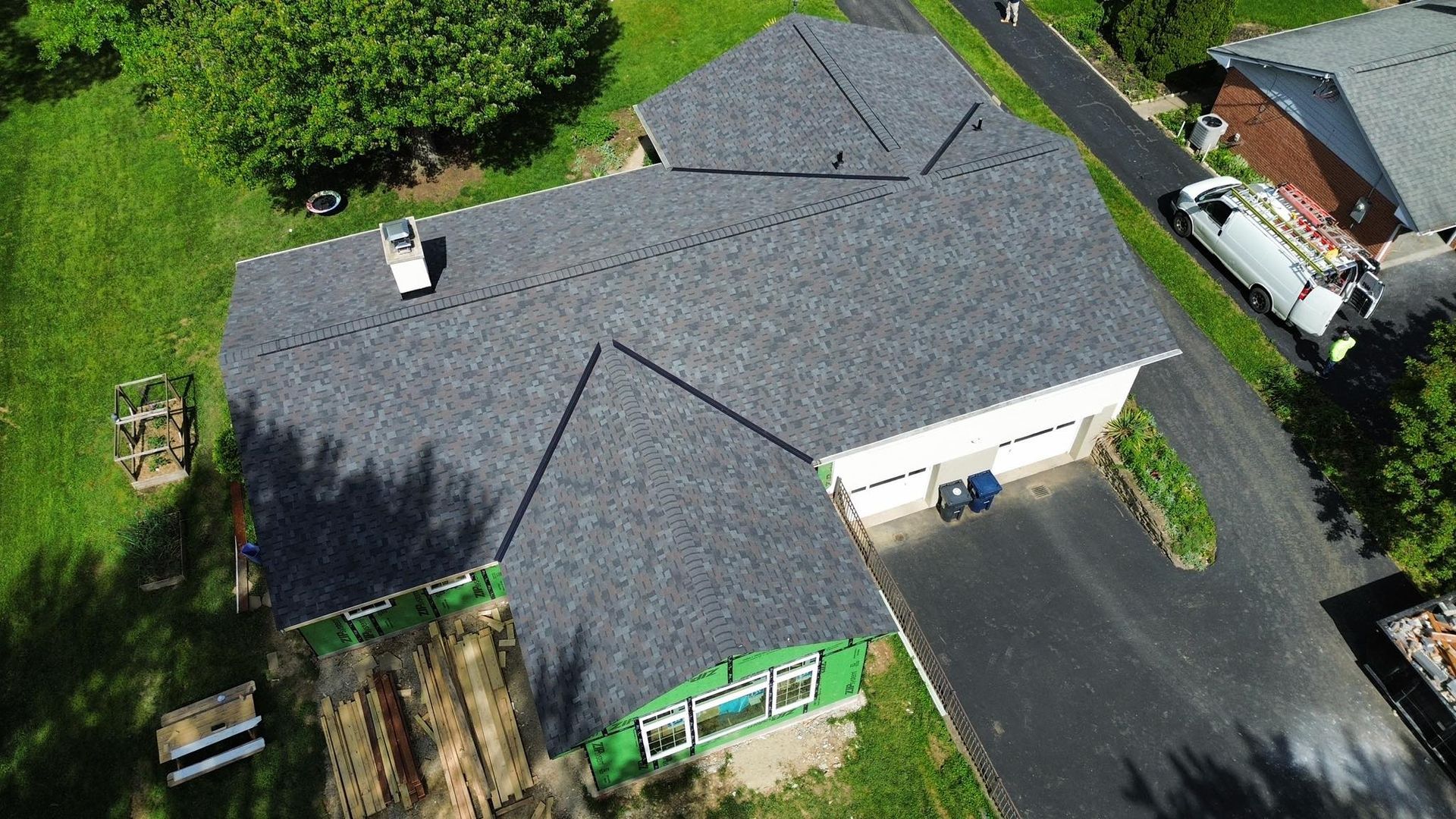
Your roof is the first line of defense for your largest financial asset. Protecting that asset requires a partnership with a team that values craftsmanship, clear communication, and local accountability. Whether you are weighing the pros and cons of a Roof Repair or Roof Replacement, every detail matters in the long-term health of your home.
When you are ready to ensure your property is prepared for whatever the Ohio weather throws our way, reach out to a local expert. We provide transparent communication and specialized expertise for your Roofing Contractor in Anderson Township needs. Let us help you protect your home with a system you can trust for years to come.
Contact Us / Request an Estimate
Quick Answers for Anderson Township Homeowners
How do I verify if a roofing contractor is actually local?
A truly local contractor will have a physical, brick-and-mortar office address in the Greater Cincinnati area, not just a P.O. Box. They should be able to provide local references from projects completed in our neighborhoods over the last several years.
What is the standard payment structure for a roofing project?
In 2026, most reputable contractors require a modest deposit (usually 10% to 33%) to secure your place on the schedule and order materials. You should never pay the full balance upfront. Final payment should only be made once the project is fully completed.
Why is my contractor insisting on a permit for a simple shingle job?
In many local jurisdictions, a building permit is legally required for a full roof replacement. This ensures that a city or township inspector can verify that the work meets safety and fire codes.
Should I hire a contractor based on the lowest estimate?
The lowest bid is often the most expensive in the long run. If an estimate is significantly lower than others, the contractor may be using day labor, skipping crucial flashing replacements, or operating without proper insurance.