Why Is My Roof Leaking Around the Chimney? Flashing, Valleys & Other Common Roof Leak Sources
Chimney Roof Leaks in Indian Hill, OH: Comparing the Most Common Causes and What Each Requires
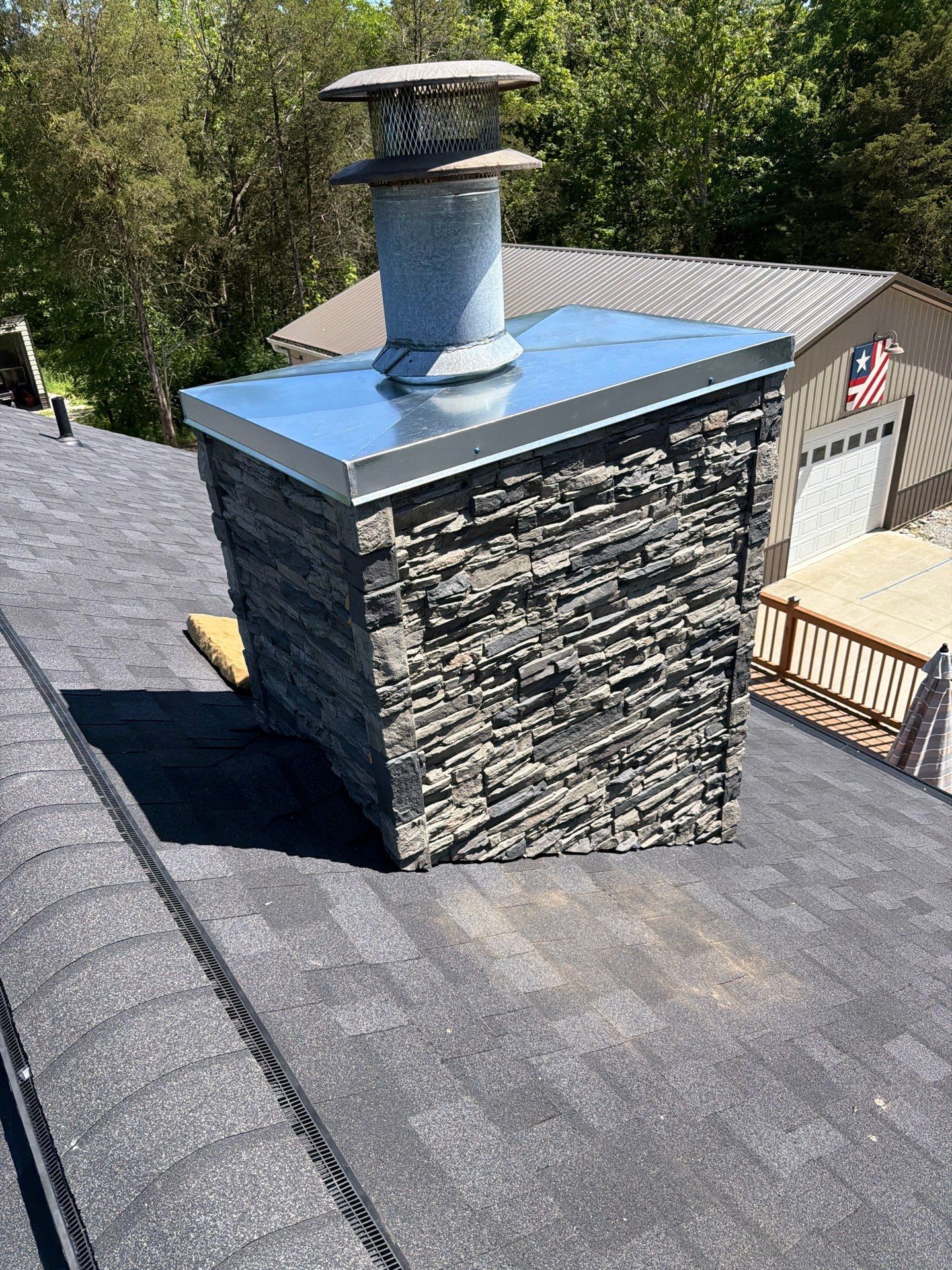
Indian Hill homeowners dealing with a water stain on the ceiling near the fireplace are usually correct that the chimney is involved, but the specific cause matters enormously because different failure points require different repairs. Flashing failure, step flashing at the chimney sides, counter flashing at the mortar joint, saddle or cricket failure behind the chimney, and valley conditions in rooflines that intersect near the chimney each produce symptoms that point toward the chimney but originate from different locations. Getting the diagnosis right before authorizing a repair avoids paying for the wrong fix.
Ready Now Roofing serves Indian Hill and the surrounding Cincinnati area with roof leak repair, chimney flashing, roof inspections, and replacement. Call (513) 783-7000 or visit Indian Hill roofing services to schedule a free inspection.
Chimney Flashing Failure: The Most Common Cause
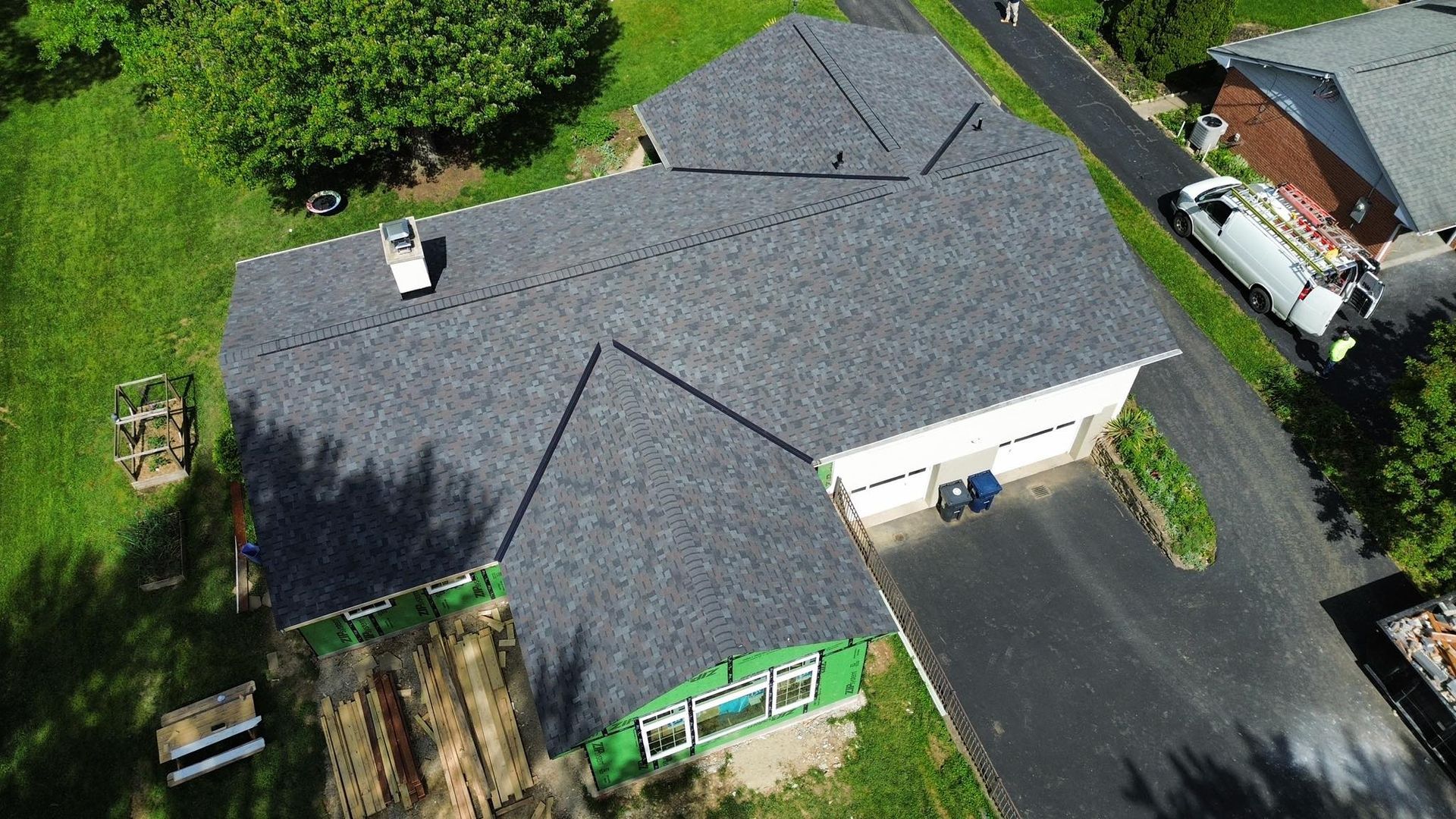
The flashing system at a chimney consists of multiple components: base flashing at the front (downslope) face, step flashing running up each side, counter flashing embedded in the mortar joints above the step flashing, and a saddle or cricket behind the chimney if the chimney is wide enough to require one. Each of these components ages differently. Counter flashing that was mortared directly into brick joints can pull free as the mortar deteriorates over time. Step flashing that was not properly overlapped leaves a gap where wind-driven rain finds entry.
Indian Hill homes with older chimneys are common, and the flashing systems on these properties may be original to the roof installation from 20 or more years ago. A flashing system that has failed at the counter flashing allows water to run behind the step flashing and enter at the chimney-to-roof interface. The interior symptom appears at ceiling level or at the wall below the chimney but the water travel path may have started several feet up the chimney face.
Saddle and Cricket Failure Behind Wide Chimneys
A chimney wider than 30 inches requires a saddle, also called a cricket, behind it on the upslope side to redirect water that would otherwise pool against the back face of the chimney during rain events. Indian Hill homes with wide masonry chimneys that lack a properly constructed saddle are susceptible to water accumulation at the back chimney face that eventually finds entry through the flashing or mortar at that location. A deteriorated or improperly built saddle that allows water to stand rather than shed to either side is a specific failure that looks similar to other chimney leaks but requires a saddle repair or installation rather than a flashing replacement.
Valley Conditions Near the Chimney
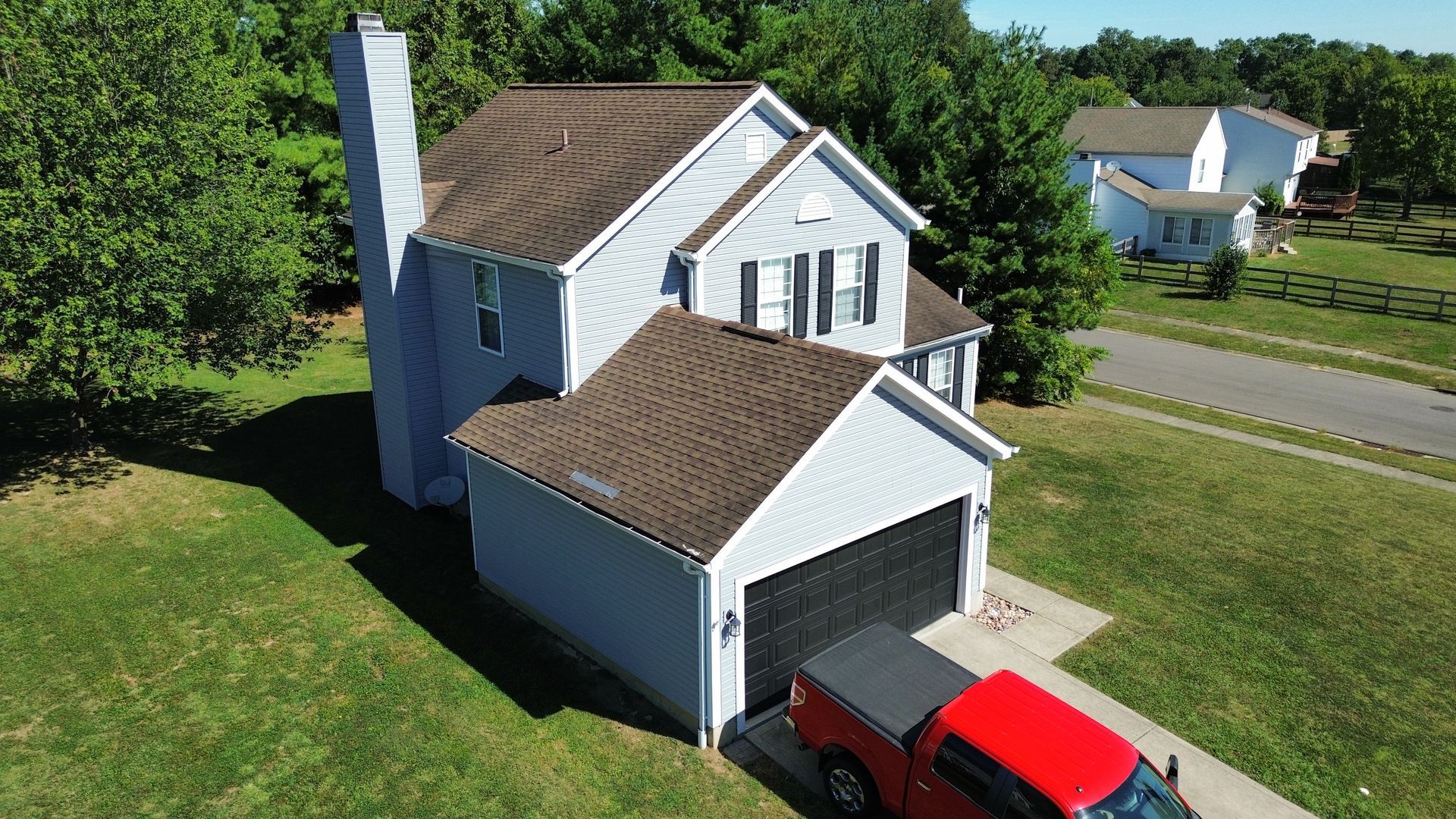
Some Indian Hill roof configurations have valleys that intersect close to or run toward the chimney. A valley that is aging, has lost its protective coating, or has underlayment that has deteriorated at the flashing interface can produce water entry symptoms that appear near the chimney without being chimney flashing related at all. Rain tracking along a valley and entering at a compromised point below the chimney can produce a ceiling stain that a homeowner attributes to the chimney when the valley is the actual entry point. Ready Now Roofing inspects the full roof area surrounding a chimney leak report rather than limiting the assessment to the chimney itself. Visit Indian Hill roof repair for more.
Pipe Boots and Penetrations Near the Chimney
Pipe boot failures are common on older Indian Hill roofs and produce water entry that sometimes appears in ceiling locations near the fireplace. A cracked rubber boot at a plumbing vent stack located in the same general roof area as the chimney can be misidentified as a chimney leak. Ready Now Roofing assesses every penetration in the vicinity of the reported leak as part of the Indian Hill chimney leak inspection to confirm the actual source before any repair is authorized.
What the Right Repair Actually Looks Like
A correctly diagnosed chimney leak repair addresses the specific failure point rather than applying sealant to visible gaps in hopes of stopping the water. Counter flashing re-mortared without addressing the step flashing that has been lifted will fail again. A saddle that needs replacement cannot be permanently addressed with sealant at the edges. Ready Now Roofing identifies the specific failure, explains what the correct repair requires, and provides the scope and cost before any work begins on Indian Hill chimney leak repairs.
Ready Now Roofing: Indian Hill and Cincinnati
Ready Now Roofing serves Indian Hill and the surrounding Cincinnati area with roof leak repair, chimney flashing repair, roof inspections, storm damage assessment, and replacement. Free inspections. Call (513) 783-7000 or contact Ready Now Roofing.
Schedule a Free Leak Inspection in Indian Hill
For a free roof leak inspection in Indian Hill, call (513) 783-7000 or contact Ready Now Roofing online.
Frequently Asked Questions About Chimney Roof Leaks in Indian Hill, OH
What is the most common cause of a roof leak near a chimney in Indian Hill?
Chimney flashing failure is the most common cause of chimney-adjacent roof leaks in Indian Hill. The counter flashing embedded in mortar joints ages and pulls free as mortar deteriorates. Step flashing that was not properly overlapped allows wind-driven rain to find entry. On older Indian Hill properties with original flashing systems, the flashing is often the first component to fail well before the shingles reach the end of their service life.
What is a chimney cricket and when is it required in Indian Hill?
A chimney cricket is a peaked flashing diverter installed behind the upslope face of a wide chimney to redirect water around the chimney rather than allowing it to accumulate against the back face. It is typically required when the chimney is wider than 30 inches at the roofline. Indian Hill homes with wide masonry chimneys without a properly constructed cricket are susceptible to water accumulation at the back chimney face that leads to flashing and mortar deterioration at that location.
Can I tell if my chimney leak is from flashing or the chimney itself?
The interior location of the water stain provides clues but not a definitive answer without a roof-level inspection. Water entry at the front chimney face tends to appear on the ceiling immediately downslope of the chimney. Entry at the back face or a failed cricket appears on the upslope side. Entry through mortar or masonry rather than flashing often appears lower on the chimney face or firebox. Ready Now Roofing confirms the source during the free Indian Hill inspection.
How long does chimney flashing last on an Indian Hill roof?
Chimney flashing life depends on the material and installation quality. Galvanized steel flashing can last 20 to 30 years with proper installation and maintenance. Lead flashing lasts longer. Aluminum flashing is susceptible to corrosion in certain conditions. The mortar joints that hold counter flashing on masonry chimneys can begin deteriorating in 10 to 20 years depending on mortar quality and weather exposure. Ready Now Roofing assesses flashing condition as part of every Indian Hill roof inspection.
Should chimney flashing be replaced during a full roof replacement in Indian Hill?
Yes, in most cases. When a full roof replacement is performed on an Indian Hill property with an existing chimney, replacing the flashing system at the same time prevents a future repair call when the original flashing fails after the new shingles are installed. Ready Now Roofing includes chimney flashing assessment and replacement as part of the standard scope discussion on every Indian Hill roof replacement project.
Does Ready Now Roofing serve all of Indian Hill and the surrounding Cincinnati area?
Yes. Ready Now Roofing serves Indian Hill and the surrounding Cincinnati area with roof leak repair, chimney flashing, inspections, and replacement. Call (513) 783-7000 to confirm service for a specific Indian Hill, OH address or to schedule a free roof leak inspection.